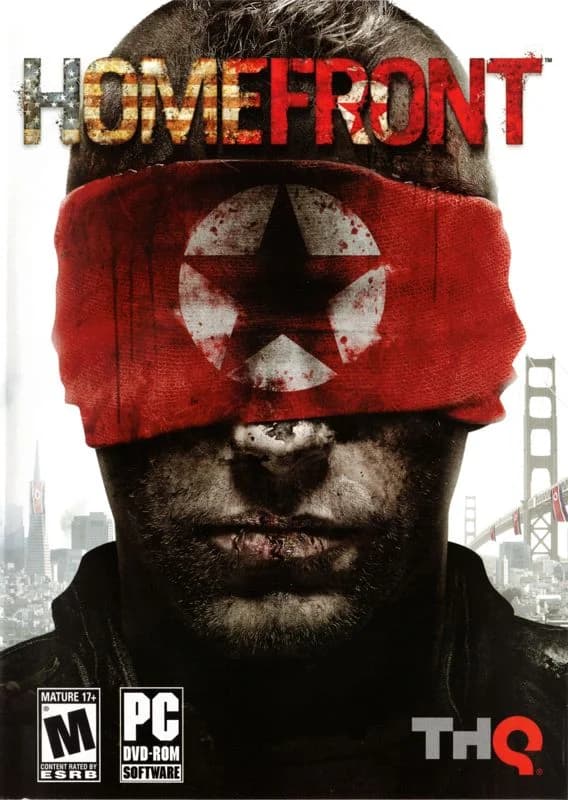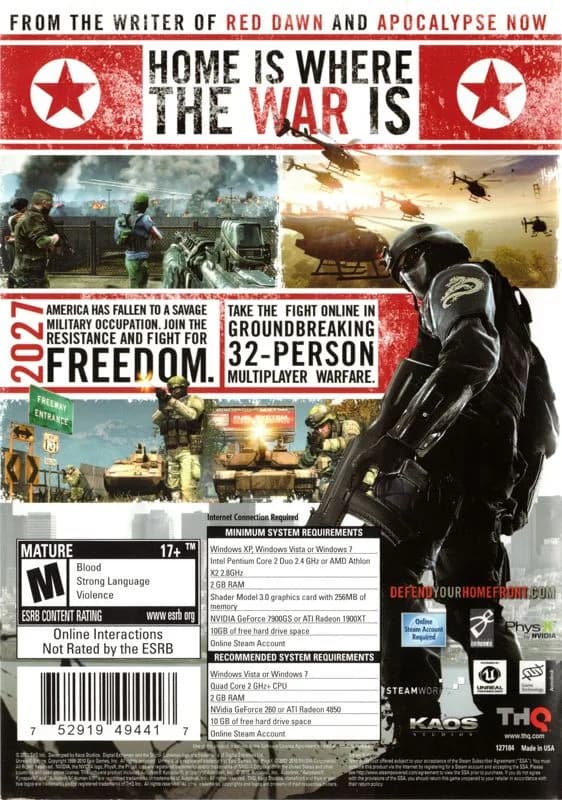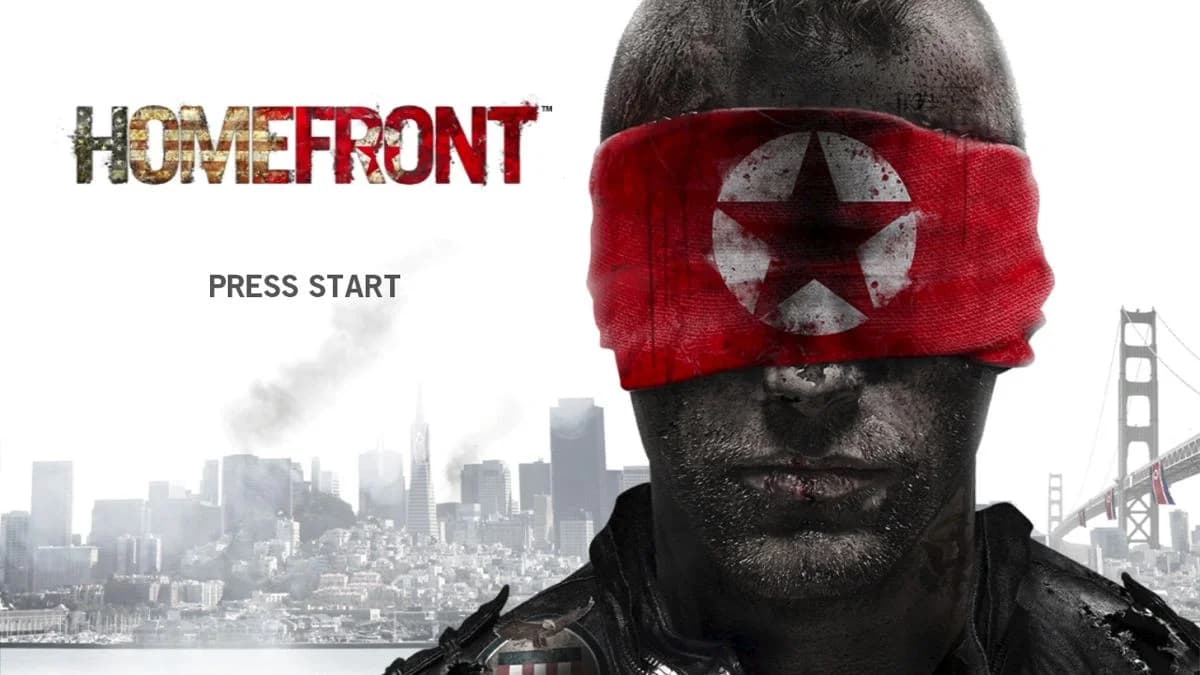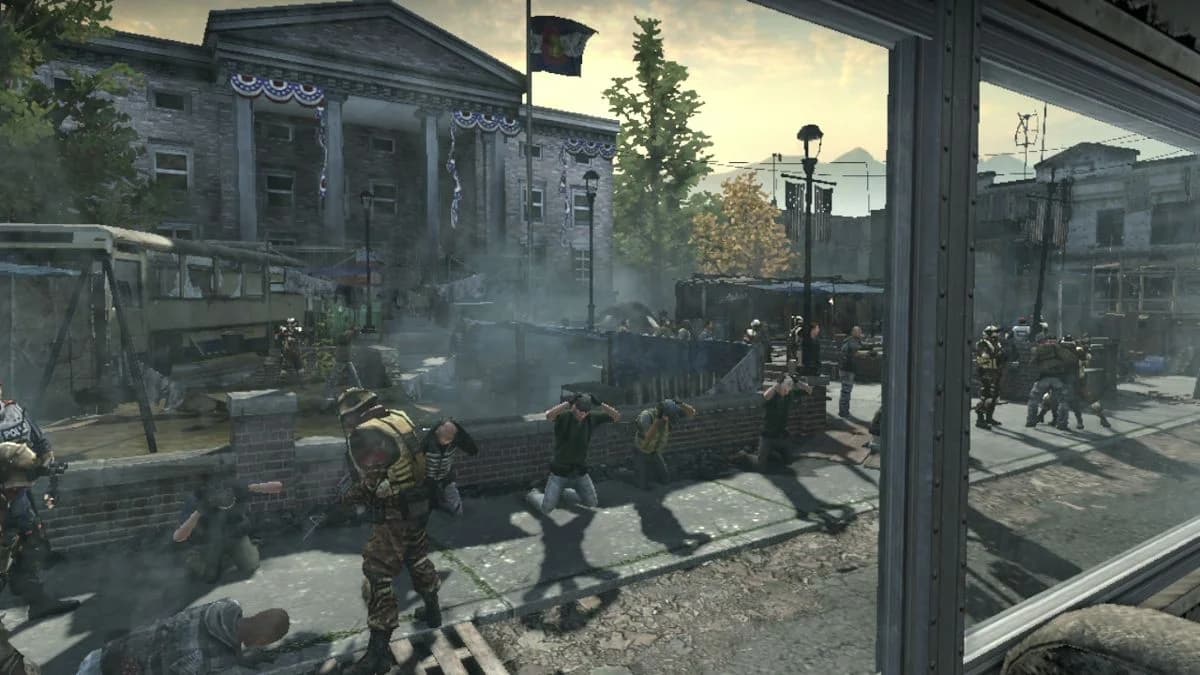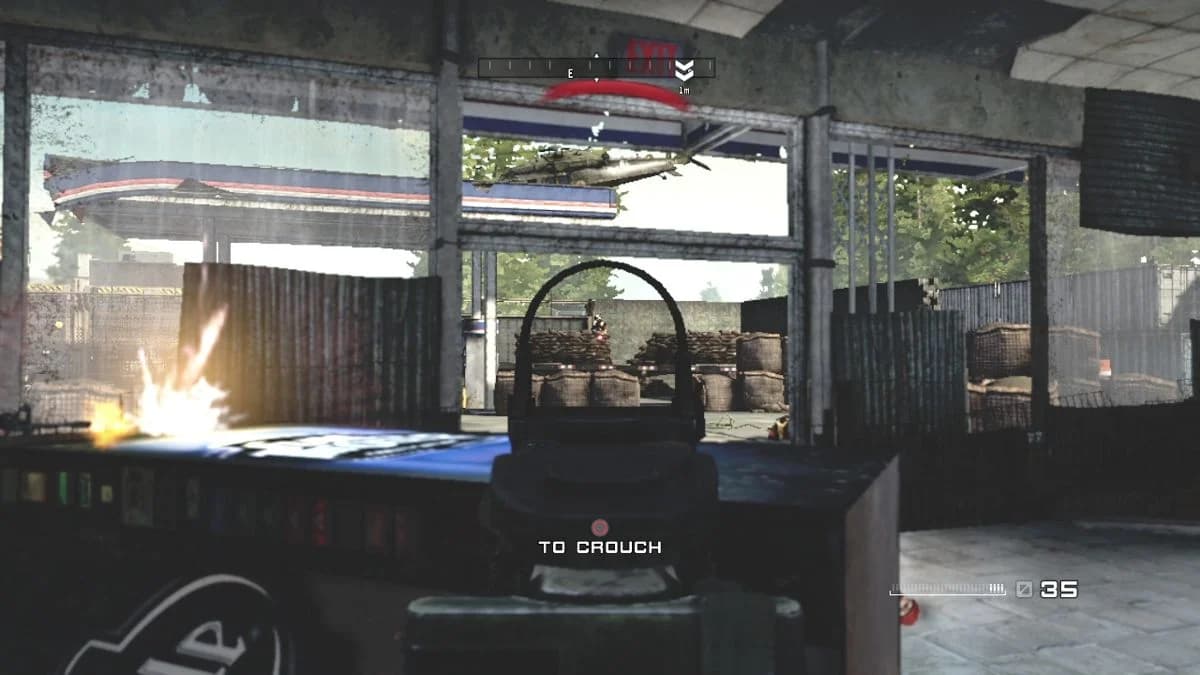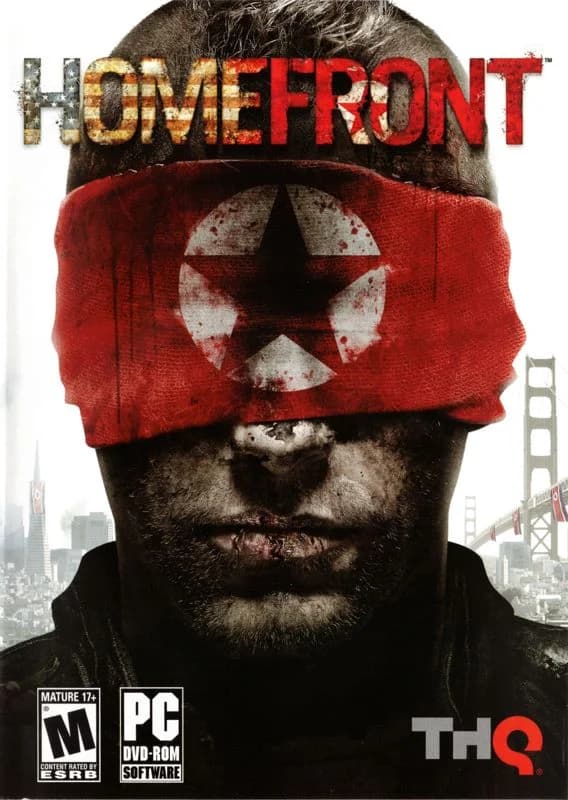
Homefront
After a couple of years working at Electronic Arts on sports titles, I wanted to get back into more creative game development. I was playing Call of Duty religiously at the time, so when the opportunity to work on a First-Person Shooter (FPS) came up, I jumped at it.
Joining Kaos Studios
THQ, the publisher, brought me in as Development Director to help get the project back on track. After a successful vertical slice had been greenlit, more than a year had passed without much progress. The team needed someone to refocus efforts and push toward completion. Kaos Studios was located in Manhattan, New York City (NYC), which was unusual for a game development team.
Technical Challenges
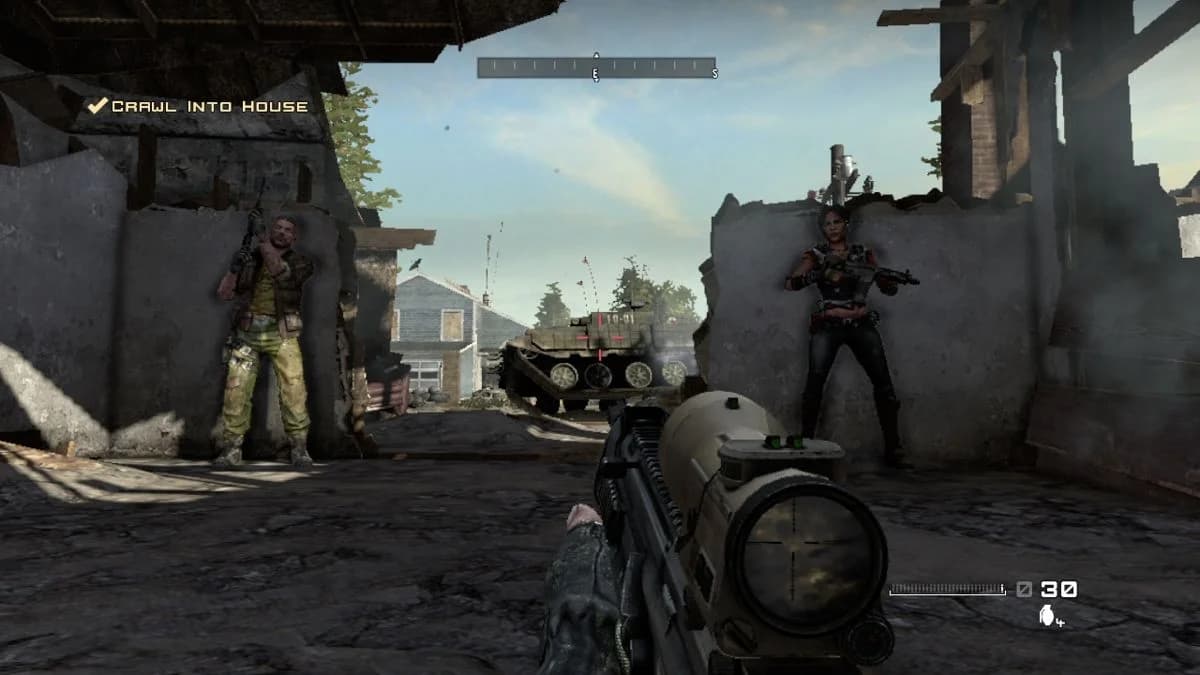
Homefront was built with a heavily modified version of Unreal Engine. At the time, Unreal was designed primarily for corridor-style games, but Homefront featured open-world environments. When I say heavily modified, that's not an understatement. The engineering team did remarkable work adapting the engine.
Scope and Direction
The game included both campaign and multiplayer modes. Looking back, it was probably overscoped. There were discussions about making it multiplayer-only, which would have reduced scope and played to the team's strengths. But THQ decided that a multiplayer-only game wouldn't generate the revenue they needed, so we pushed ahead with both modes.
My Role
My main responsibility was production - creating the schedule, hiring and keeping the team moving forward. My technical background proved valuable for understanding risks, though I didn't write any code on this project. It was a shift from my earlier hands-on development roles, but managing a team of this size required full attention.
Crunch and Team Culture
Despite Homefront's importance to THQ, we kept crunch moderate for most of the team. Extra hours were needed around demos and milestones, but we cycled people in and out rather than burning everyone out. It wasn't perfect, but we tried to be realistic about what we were asking people to do.
Looking Back
Homefront received mixed reviews. Honestly, we could have used a few more months for quality control and polish. But in spite of some rough edges, the core game was solid and enjoyable. The Homefront team ranks among the top teams I've worked with. No team I've worked with faced a bigger challenge, but these developers genuinely wanted to create something special and were willing to iterate until they got it right.
Screenshots